%22%3ETOP%3C%2Ftext%3E%3Ctext%20x%3D%22137.67%22%20y%3D%22111.75%22%20font-size%3D%229.35%22%20transform%3D%22rotate(180%20137.67%20111.75)%22%3EBOTTOM%3C%2Ftext%3E%3C%2Fg%3E%3C%2Fsvg%3E)
Box design starts with the box style
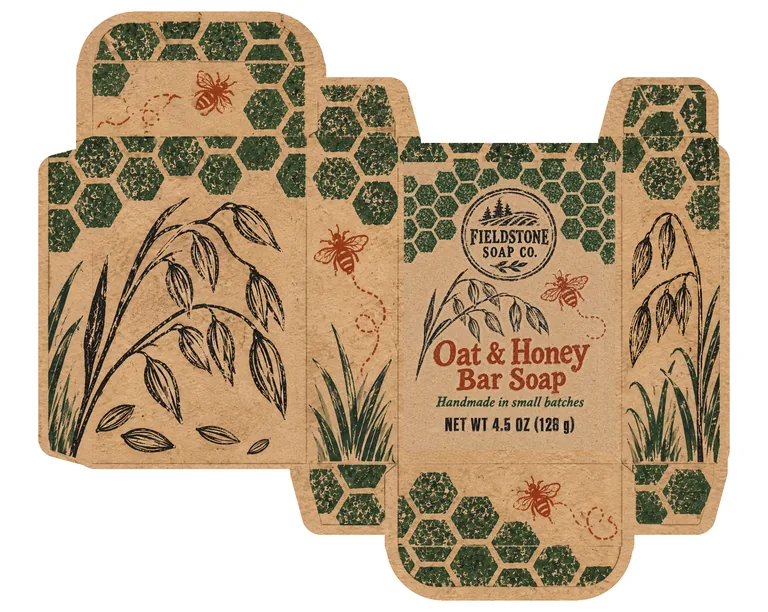
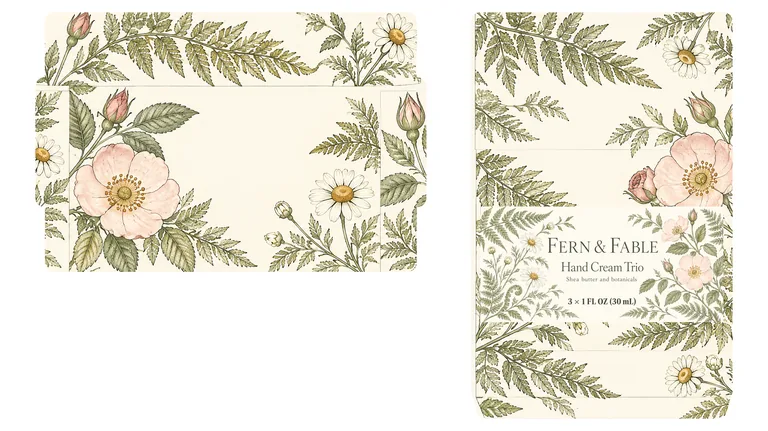
Pick the structure before the look, because it decides where the front is and which panels show. A reverse tuck end box has a tuck flap at each end, one opening on the front and one on the back: it is the everyday carton for soap, cosmetics and small retail goods, like this kraft soap box. A straight tuck end box opens both flaps on the same side, the back, which keeps the front panel clean from top to bottom.
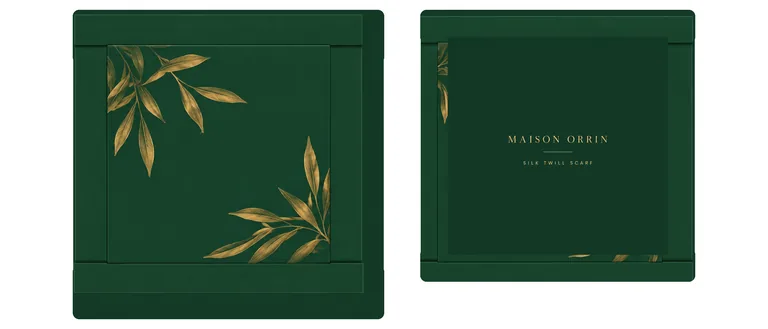
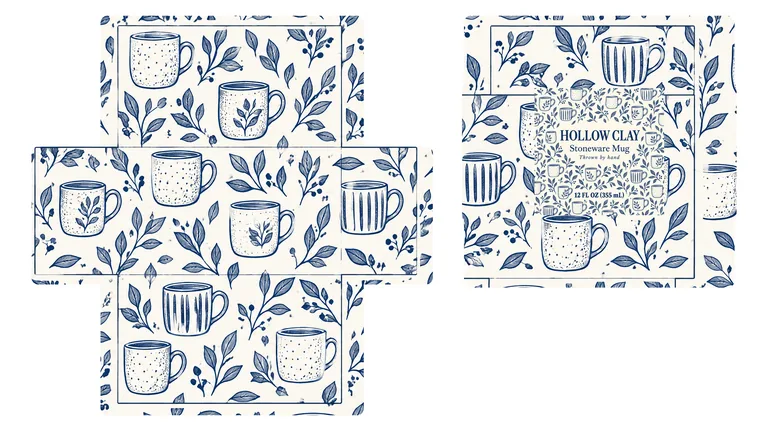
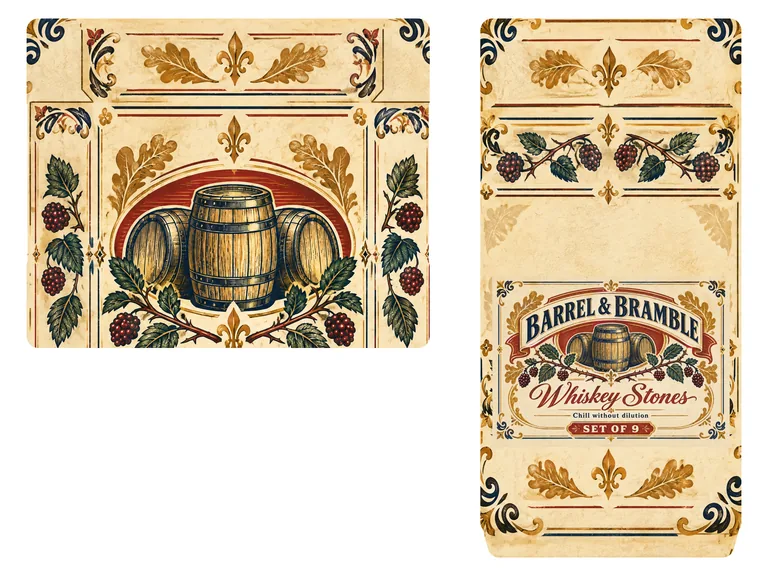
A box with lid is two pieces, a base and a lid that slips over it, and suits scarves, apparel and gift sets. A drawer box is a tray that slides out of a sleeve, the matchbox shape, and suits small sets, jewelry and anything you want opened slowly. Measure what goes inside, add a little room, and type the inside size: the dieline generator allows for the board thickness, so the product still fits once the box is folded.
New to dielines? Our guide to what a dieline is explains cuts, folds, bleed and the safe area in plain words, and every box design here starts from one.